
Archived article
Please note that tax, investment, pension and ISA rules can change and the information and any views contained in this article may now be inaccurate.
 magazine
Energy crisis goes global... but investors in Shell are quids in
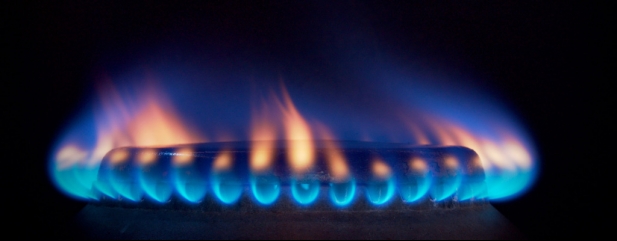
It may have started in Europe, but the mounting energy crisis is going global as a combination of factors affecting supply
and a post-pandemic surge in demand create a perfect storm.
There are two main upshots. First, the increased cost of energy could threaten to stop the post-Covid rebound in its tracks, increasing costs for businesses and affecting consumers’ ability to spend.
Second, it will only add to inflationary pressures, which could in turn force central banks to tighten monetary policy, providing a further hit to economic prospects.
This combination effectively adds up to stagflation – with prices rising at a time when the economy is shrinking. This would be negative for most asset classes including stocks and shares.
The current crisis is unlikely to be at its peak, given temperatures are yet to really drop. Governments, businesses and consumers around the world will be praying for a mild winter.
According to investment bank Bank of America, natural gas powers 40% of US and UK and 20% of EU electricity and the OECD has reported that higher shipping and commodity costs have accounted for three quarters of the jump in consumer price index inflation in G20 countries in 2021.
The current turmoil has not been bad news for everybody. Shares in Royal Dutch Shell (RDSB) have hit their highest levels in 18 months as oil prices spiked to $80 per barrel, potentially exacerbating the current fuel shortages in the UK caused by a lack of HGV drivers and panic buying at the forecourt.
Shell also has significant exposure to natural gas after a shift in strategy over the last decade or so which included the £36 billion acquisition of gas-focused BG in 2016.
North Sea gas producer Serica Energy (SQZ:AIM) is up nearly 40% in the past month with the company noting an immediate benefit from the higher gas price.
The energy crisis, and some concern about the fate of US president Joe Biden’s infrastructure package as we went to press, is having a negative impact on investor sentiment.
Bank of America notes that the seven days to 23 September saw the first weekly outflow from global equities in 2021 and the largest since the March 2020 correction at $24.2 billion. It said $39.6 billion had gone into cash, $10 billion into bonds and $84 million into gold.

Important information:
These articles are provided by Shares magazine which is published by AJ Bell Media, a part of AJ Bell. Shares is not written by AJ Bell.
Shares is provided for your general information and use and is not a personal recommendation to invest. It is not intended to be relied upon by you in making or not making any investment decisions. The investments referred to in these articles will not be suitable for all investors. If in doubt please seek appropriate independent financial advice.
Investors acting on the information in these articles do so at their own risk and AJ Bell Media and its staff do not accept liability for losses suffered by investors as a result of their investment decisions.
Issue contents
Danni Hewson
Editor's View
Education
Feature
Great Ideas
Investment Trusts
Money Matters
News
- Ford to invest another $7 billion in electric vehicle push
- Energy crisis goes global... but investors in Shell are quids in
- HeiQ shares take a beating after near 70% drop in profit
- New fund to help modernise old fashioned UK companies
- UK investors start to lose faith in ‘transitory’ inflation narrative